Lock the Door Before You Knock: The Ten-Point Security Audit Elite Players Run Before Every Login
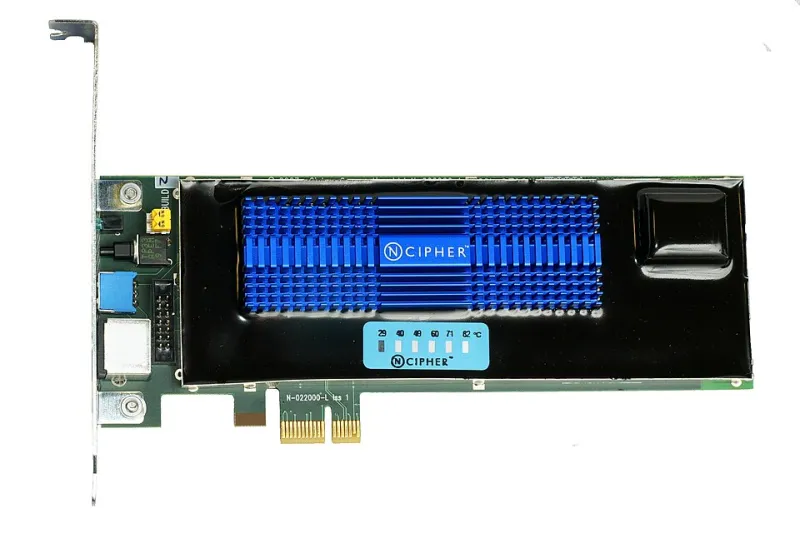
Photo: Alexander Klink, CC BY 3.0, via Wikimedia Commons
The modern VIP account is not a vault that stays closed. It is an active surface that is probed, tested, and targeted. Elite players do not wait for a suspicious email to think about security. They assume that somewhere, someone is already mapping the path to their accounts. That assumption is not paranoia. It is operational discipline.
As 2026 draws to a close, the threat landscape for US gamers and crypto holders remains stubbornly familiar: SIM swaps, credential stuffing, phishing pages, fake support agents, and malware hidden behind convincing downloads. The difference between an inconvenience and a catastrophic loss is usually preparation. The following ten-point audit is the kind of routine elite players run before a new login, a new device, or a new withdrawal destination is added.
1. Harden the Phone Against SIM Swaps
The phone number is still a weak link. Elite players remove SMS as a primary authentication factor wherever possible, add carrier-level port-out protections, and ask their US carrier for a account PIN or passcode that must be used before any SIM change. They also keep a separate email address for security notifications and avoid publishing their phone number on public profiles.
2. Use Hardware Keys, Not Just Apps
Authenticator apps are better than SMS, but hardware security keys are better still for high-value accounts. Elite players register at least two hardware keys, store one off-site, and remove weaker backup methods once the stronger ones are confirmed. The goal is to make account takeover require physical possession, not a clever email.
3. Build Withdrawal Whitelists
A withdrawal whitelist is not a convenience feature. It is a control. Elite players pre-approve destination addresses and accounts, enforce waiting periods where available, and review the list regularly for stale entries. Any change to a withdrawal destination should trigger additional verification, not a single click.
4. Practice Device Hygiene
Device hygiene means keeping operating systems patched, removing unused applications, reviewing browser extensions, and avoiding shared devices for account access. Elite players separate high-value activity from casual browsing where practical. They do not log into financial or gaming accounts from hotel business centers, and they treat unexpected pop-ups as hostile until proven otherwise.
5. Run Phishing Drills on Yourself
Most phishing training is passive. Elite players make it active. They inspect sender addresses, hover over links, verify domains, and treat urgency as a warning sign. They also run periodic self-checks: would I recognize a fake login page? Do I know how my platform actually contacts me? A five-minute drill is cheaper than a compromised account.
6. Recognize Support-Impersonation Scams
Fake support agents are effective because they sound helpful. They may offer to fix a withdrawal issue, unlock an account, or verify a transaction. Elite players follow one rule: support does not ask for passwords, seed phrases, one-time codes, or remote access. They verify through official channels, not through the number or link provided by the supposed agent.
7. Isolate Email and Identity Layers
Email is the recovery key to almost everything. Elite players use a dedicated, well-secured email account for high-value platforms, enable strong two-factor authentication, and avoid reusing the same recovery address across casual services. They also review forwarding rules and connected applications, which are common persistence points for attackers.
8. Review Active Sessions and Connected Apps
A login audit is not complete without a session review. Elite players check active devices, revoke unfamiliar sessions, and disconnect third-party applications that no longer serve a purpose. They repeat this review after any password change, travel, or device replacement.
9. Test the Account-Recovery Plan
The recovery plan is the part most players never test until it is too late. Elite players confirm that recovery email addresses are current, backup codes are stored securely offline, and hardware keys are registered correctly. They also know what information the platform will require and how long recovery may take. A plan that has never been tested is a hope, not a plan.
10. Keep a Clean Incident Playbook
Finally, elite players keep a simple incident playbook: whom to contact, what to freeze, what to document, and how to communicate. The playbook does not need to be elaborate. It needs to be accessible when judgment is under stress. In a real incident, speed and clarity matter more than improvisation.
Security is not a product you buy once. It is a routine you maintain. For the VIP player, the ten-point audit is not a sign of fear. It is the quiet confidence that comes from knowing the door is locked before anyone knocks.